
The Origin of International Women’s Day

Photo by Charisse Miller on Canva
Written by Charisse Miller
International Women’s Day was first introduced in the early 1900s to campaign for women’s rights to vote, workers’ rights, hold public office and end discrimination.
It all officially started in 1908. Women were experiencing a great deal of discontent and critical discussion amongst themselves. Women started becoming more vocal due to their oppression and inequality, causing 15,000 women to take part in a march in New York for shorter hours, better pay and voting rights. Many women worked in domestic service (maid, cook, and cleaner), textile mills (weavers) and garment/boot factories (poor/crowded conditions). Healthcare & education were common for women as well during the Edwardian era (1901-1910).
In 1909 the Socialist Party of America declared the first National Women’s Day across the United States was to be observed on February 28th. Women then continued to celebrate this on the last Sunday of February until 1913.
1910 held the second International Conference of Working Women in Copenhagen. Clara Zetkin, leader of the ‘Women’s Office’ for the Social Democratic Party in Germany, presented the idea of an International Women’s Day. She proposed every year, on the same day, in every country, people should celebrate a Women’s Day to press for their demands. This suggestion was made during a conference to over 100 women from 17 countries, representing unions, socialist parties, and working women’s clubs – and including the first three women elected to the Finnish Parliament – who all welcomed the suggestion with united support, leading to the creation of International Women’s Day.
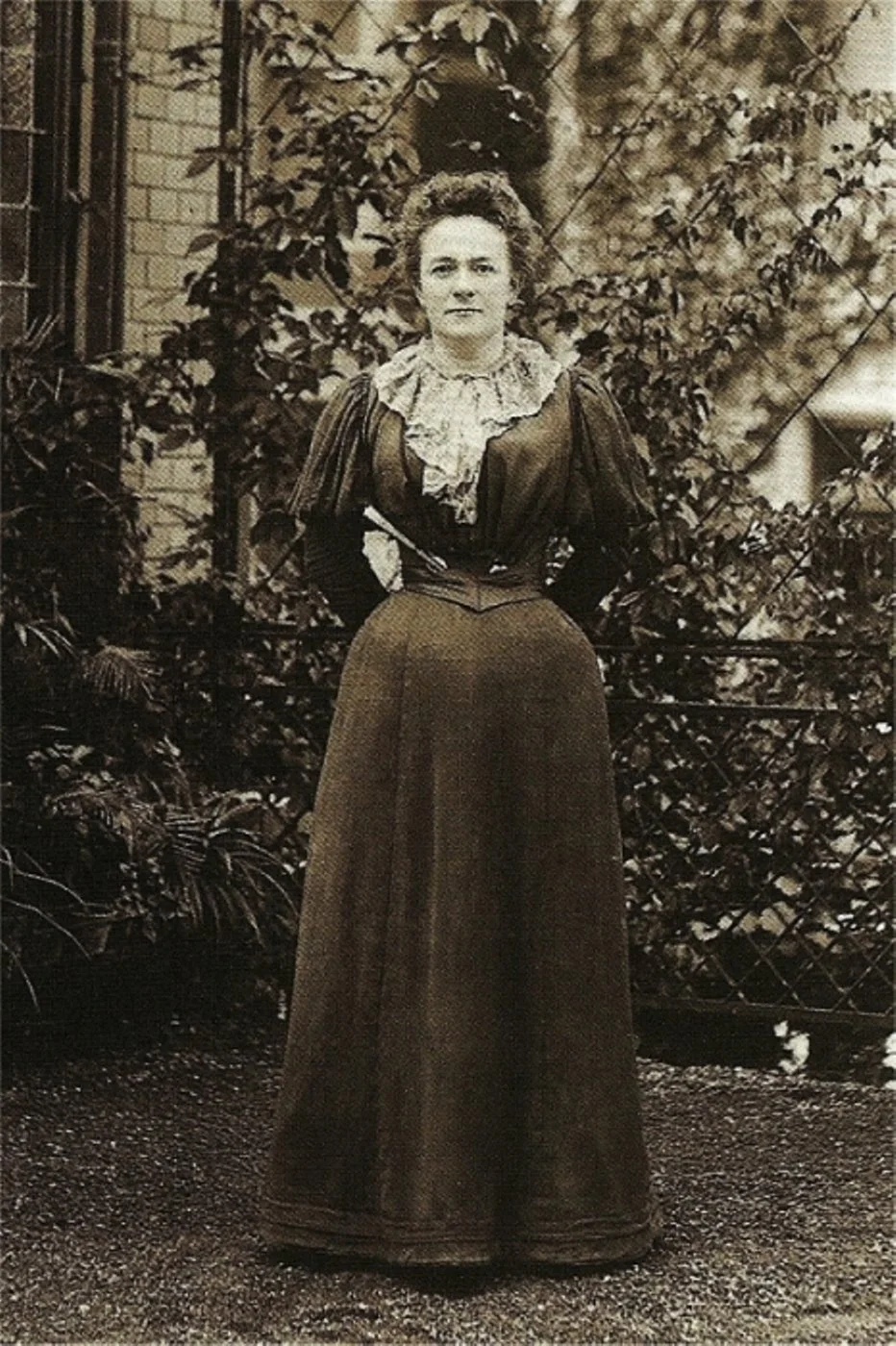
Photo of Clara Zetkin
Photo credits: Wikipedia
After the agreed-upon decision in Copenhagen, 1910-1911, in 1911, International Women’s Day was celebrated for the first time in Austria, Denmark, Germany and Switzerland on the 19th of March. Over one million men and women attended rallies campaigning for women’s rights to work, vote, be trained, hold public office and end discrimination. However, on the 25th of March, the tragic ‘Triangle Fire’ in New York City took the lives of over 140 working women. This devastating event drew a lot of attention to the working conditions and labour legislation in the United States and became the subject of later International Women’s Day events.
Between 1913-1914, Russian women had their first International Women’s Day on the 23rd of February, the last Sunday in February. After discussion, International Women’s Day was agreed to be celebrated on the 8th of March annually. This was translated in the adopted Gregorian calendar from the 23rd of February. This has remained the global date and is why we celebrate International Women’s Day on this date. In 1914, many women in Europe staged demonstrations to voice their opposition to the war and show support for one another. For instance, on March 8, 1914, a march in favour of women’s suffrage took place in London, UK, from Bow to Trafalgar Square. On her way to give a speech at Trafalgar Square, Sylvia Pankhurst was detained in front of Charing Cross station.
In reaction to the loss of more than two million Russian soldiers in World War 1, 1917, Russian women started a strike for “Bread and Peace” on the final Sunday of February. The women’s strike persisted despite opposition from political figures until four days later, when the Czar was compelled to resign and women were granted the right to vote by the interim government. According to the Julian calendar that was in use in Russia at the time, the women’s strike started on Sunday, the 23rd of February. The 8th of March was this day on the Gregorian calendar used elsewhere.
This is the origin of International Women’s Day. More events have happened after this, and more continue to happen. Although women today may feel that we aren’t where we want to be in the world, we’re further ahead than where these women were. Which is a massive achievement we would have if it weren’t for them.